







Celebrate Holi 2026 with Colors and Joy – Holi 2026 Date
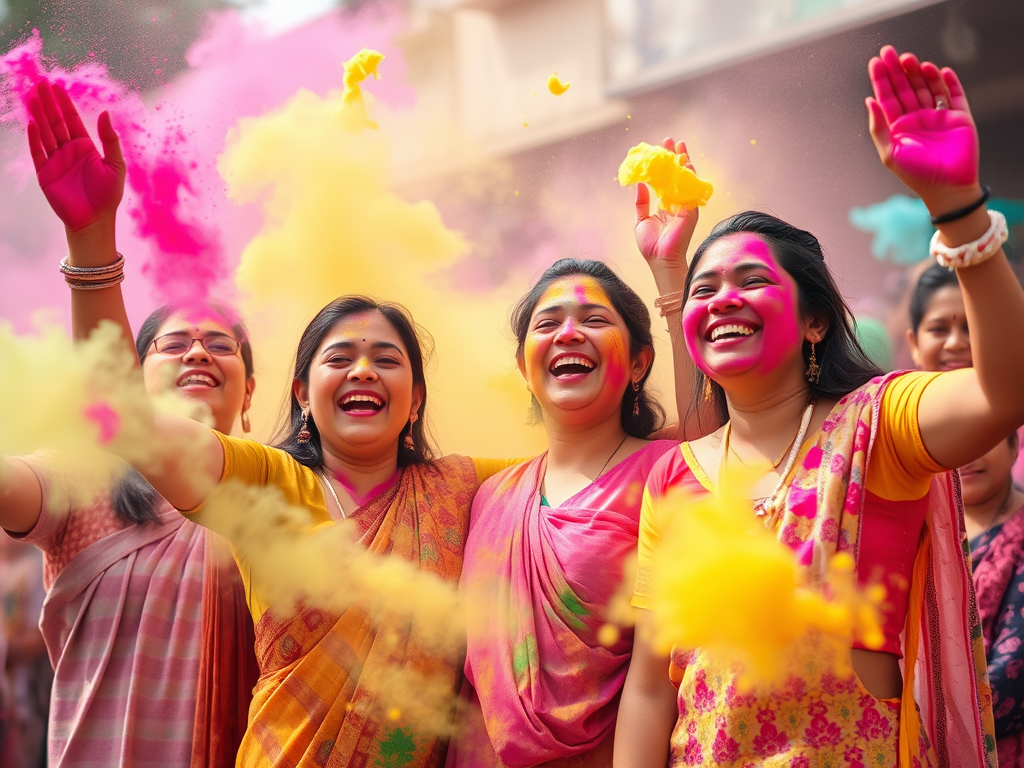
Did you know that natural pigment sales in India often rise by 300% within a single week during the spring? This massive surge shows the scale of the country’s most wonderful festival. Holi 2026 celebrates joy and brings people together through a shared sense of wonder and excitement.
The upcoming event reunites people from different generations through high-energy musical parties and traditional rituals. You will find that these traditions foster a unique spirit of harmony among friends and neighbors. It is truly a great time for laughter and creating lasting memories with your loved ones.

This guide explores what you can expect during the holi celebration and how to participate safely. You will learn the best ways to enjoy the vibrant colors while honoring ancient tradition. Let us dive into the magic that transforms every street into a bright and beautiful canvas.
Key Takeaways
- Understand the cultural significance of the festivities.
- Discover the best musical parties for all age groups.
- Learn how to celebrate safely with your entire family.
- Find tips for choosing the best natural powders.
- Prepare for the most vibrant spring event in India.
Holi 2026 Date and Festival Timeline
Get ready to immerse yourself in the colorful world of Holi 2026 by familiarizing yourself with the important dates and events. As you prepare to celebrate this vibrant festival, understanding the timeline is crucial.
When You’ll Celebrate Holi in 2026
In 2026, Holi will be celebrated early in March with two significant dates – Holika Dahan on Tuesday, 2nd March 2026, and Rangwali Holi on Wednesday, 3rd March 2026. Mark these dates in your calendar to be a part of the festivities.
As mentioned by festival enthusiasts, “Holi is not just a festival, it’s a celebration of life and its vibrancy.” This sentiment is echoed in the joy and enthusiasm that people display during the celebrations.
The Two-Day Festival Schedule
Holi is celebrated over two days, each with its unique significance. The first day, Holika Dahan, is observed on the evening of March 2nd, 2026. It’s a day when people gather around bonfires, symbolizing the victory of good over evil.
The second day, Rangwali Holi, on March 3rd, 2026, is when the actual play of colors takes place. People come together, armed with colored powders and waters, to celebrate the arrival of spring and the triumph of good over evil.

Why the Date Changes Every Year
The date of Holi changes every year because it’s based on the lunar calendar. The lunar calendar is different from the solar calendar used in the Gregorian calendar, which is why the dates of Holi vary each year.
The lunar calendar’s cycles determine the timing of Holi, ensuring that the festival stays connected to its traditional roots while adapting to the changing times.
“The celebration of Holi is a testament to the rich cultural heritage of India, and its significance goes beyond just a festival,” says a cultural expert.
Understanding the Holi 2026 Festival Traditions
Holi, the festival of colors, is a kaleidoscope of traditions, legends, and rituals that have been passed down through generations. As you participate in the vibrant celebrations, understanding the rich cultural heritage behind Holi can enhance your experience.
The Legend of Holika and Prahlad
The story of Holika and Prahlad is at the heart of Holi’s significance. According to Hindu mythology, Prahlad, a devotee of Lord Vishnu, was saved from the evil plans of his father, Hiranyakashyap, by the divine intervention of Vishnu. Holika, Hiranyakashyap’s sister, attempted to kill Prahlad by sitting with him in a fire, but she was consumed by the flames instead, while Prahlad emerged unharmed. This legend symbolizes the victory of good over evil.
The story of Holika and Prahlad is a powerful reminder of the triumph of devotion and righteousness. It is commemorated during Holi through the ritual of Holika Dahan, where bonfires are lit to symbolize the burning of evil.
Holika Dahan: The Bonfire Night
The eve of Holi is marked by Holika Dahan, a ritual where people gather around bonfires, singing, dancing, and praying. This act symbolizes the destruction of evil and the victory of good. The bonfire is believed to purify and protect the community from negative energies.

Playing with Holi Colors: Gulal and Water
On the day of Holi, people celebrate by throwing colored powders (Gulal) and water at each other. The colors used have symbolic meanings: Red represents energy and love, Yellow signifies joy and happiness, Green symbolizes growth and harmony, Blue denotes trust and stability, and White represents peace and calmness. This playful exchange of colors is a way of breaking social barriers and spreading joy.
The tradition of playing with colors is not just about revelry; it’s also a celebration of the arrival of spring and the renewal of life.
Traditional Foods and Festive Drinks
No Holi celebration is complete without traditional foods and drinks. Special delicacies like Gujiyas, Thandai, and Bhang are prepared and shared among family and friends. These festive treats add to the merriment and are an integral part of the Holi traditions.
| Traditional Food/Drink | Description |
|---|---|
| Gujiyas | Sweet dumplings filled with dried fruits and nuts, typically served during Holi. |
| Thandai | A refreshing drink made with milk, nuts, and spices, often flavored with bhang (cannabis). |
| Bhang | A traditional beverage made from cannabis, consumed during Holi for its euphoric effects. |
As you celebrate Holi, indulging in these traditional foods and drinks is a way to connect with the cultural heritage and the community.
Where to Experience the Best Holi Celebration in India
If you’re looking for an immersive Holi experience, India has several destinations that stand out for their unique festivities. The country’s diverse cultural landscape ensures that Holi is celebrated with great fervor across different regions, each offering a distinct flavor to the festivities.
Mathura and Vrindavan: Krishna’s Legendary Holi
Mathura and Vrindavan are renowned for their world-famous Holi celebrations, deeply connected with the legend of Lord Krishna. These towns in Uttar Pradesh come alive with vibrant colors and traditional rituals, recreating the mythological rasleela of Lord Krishna and Radha. The streets are filled with people playing with colors, and the atmosphere is electric with excitement.
Jaipur: The Royal Elephant Festival
Jaipur, the capital of Rajasthan, celebrates Holi with great pomp and show. The city hosts the Elephant Festival, a unique event where decorated elephants participate in a procession, adding a royal touch to the festivities. The event is accompanied by cultural performances and, of course, the liberal use of colors.
Delhi and Mumbai: Urban Holi Parties
Delhi and Mumbai, being major metropolitan cities, offer a modern twist to Holi celebrations. Places like Imagicaa in Mumbai host Holi parties with DJs, water park fun, and other entertainment options, catering to a younger crowd. These urban Holi parties are a great way to experience the festival with a contemporary flavor.
Preparing for Your Holi Experience
Before you head out to celebrate Holi, it’s essential to be prepared. Here are some tips to make the most of your experience:
| Preparation Tips | Description |
|---|---|
| Wear old clothes | Choose clothes that you don’t mind getting stained with colors. |
| Protect your skin and hair | Apply a generous amount of coconut oil or a similar protective layer to prevent skin and hair damage from colors. |
| Stay hydrated | Drink plenty of water to stay hydrated, especially if you’re celebrating outdoors. |
By being prepared and knowing where to go, you can have a safe and enjoyable Holi experience. Whether you prefer the traditional celebrations in Mathura and Vrindavan, the royal touch in Jaipur, or the modern parties in Delhi and Mumbai, India has something for everyone during Holi.
Conclusion
As Holi 2026 approaches, you can look forward to a vibrant celebration filled with colors, joy, and cultural richness. The festival is a significant event in the Hindu calendar, and understanding its traditions and legends adds depth to your celebration experience.
You can experience the best of Holi 2026 in various locations across India, from the legendary celebrations in Mathura and Vrindavan to the royal festivities in Jaipur and the urban Holi parties in Delhi and Mumbai.
Whether you participate in Holika Dahan, play with gulal and water, or enjoy traditional foods and drinks, Holi 2026 promises to be an unforgettable experience. So, get ready to immerse yourself in the colors and joy of this incredible festival.
Where to Experience the Best Holi Celebration in India
When You’ll Celebrate Holi in 2026
Mark your calendars for a vibrant start to March, as the holi 2026 date falls on Wednesday, March 4. This is the day when the streets of India transform into a canvas of vivid holi colors. Your celebration will typically begin the evening prior, on March 3, with the ceremonial bonfires that mark the start of this ancient holi festival.
The Two-Day Festival Schedule
Your holi celebration is divided into two distinct events. The first day is Holika Dahan, a solemn evening ritual where communities gather to light bonfires. The second day, known as Rangwali Holi or Dhulandi, is the high-energy “festival of colors” where you will join millions in throwing gulal (powdered pigments) and water, embracing the spirit of joy and reconciliation.
Why the Date Changes Every Year
You might notice that the holi festival arrives at a different time each year on the Gregorian calendar. This is because the date is determined by the Hindu lunar calendar. Holi is celebrated on the Purnima (full moon day) of the month of Phalguna. This timing marks the end of winter and the official arrival of the spring season.
One thought on “Celebrate Holi 2026 with Colors and Joy – Holi 2026 Date”